


What DreamLeague needs to do to improve: 3 ways S29 can be better than S28


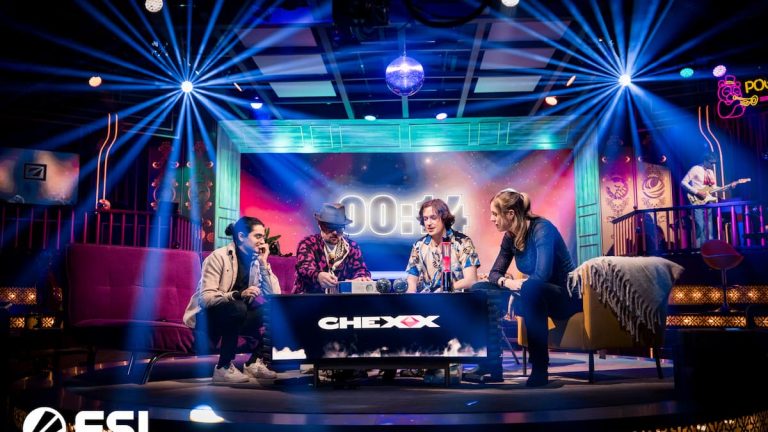
DreamLeague Season 28 is in the books, and while Tundra raised the trophy after some tremendous play, getting there was a slog, with 14 days of games and two group stages.
Almost every event this year (2026) has had some kind of variation on their format and structure, and DreamLeague is no different. So with that in mind, we’ve looked at what we liked, what we’d want to see change, and how we’d improve DreamLeague ourselves.
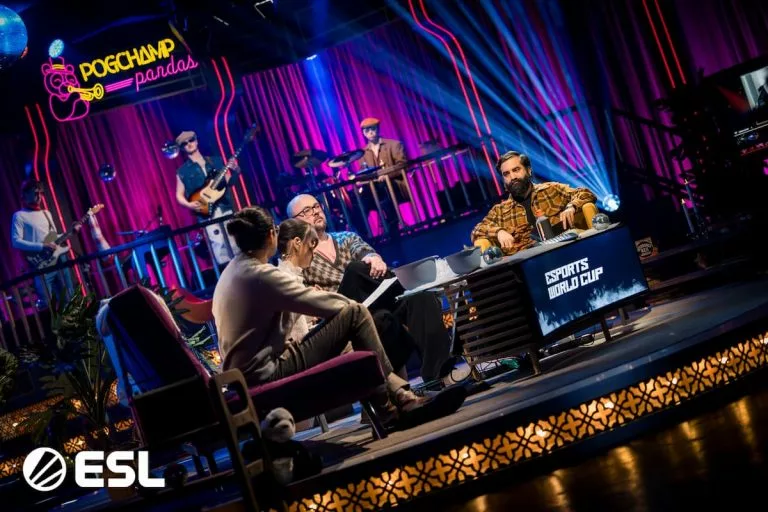
Image Credit: ESL
What we liked about DreamLeague S28
Production continues to be incredible
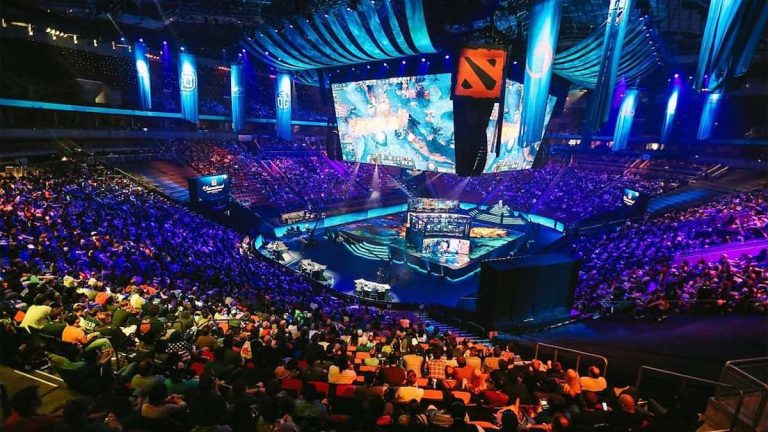
ESL and DreamLeague in particular are some of the best-looking events around. We love the DreamLeague set, the band, the studio setup. It’s a really tremendous visual style that stays consistent but rarely feels tired. While some would yearn for some variety in the event, we’ll stick with this high-quality production.
Wide array of talent
DreamLeague has done a fantastic job of giving us fan-favorite faces and new voices across the broadcast. From the stacked analyst desks, to every single group stage match, the talent on display has been top notch. And while there are the familiar names, DreamLeague does keep it fresh with new casters and analysts.
16 teams is perfect
We really don’t like any tournament that doesn’t have 16 teams. It’s the perfect number for tournament play, and easily makes brackets while giving us most of the top teams. Dota 2 at the moment is stacked with teams who have the potential to win it all, so if tournaments cut it down to 12, or 8, you end up missing out on contenders.
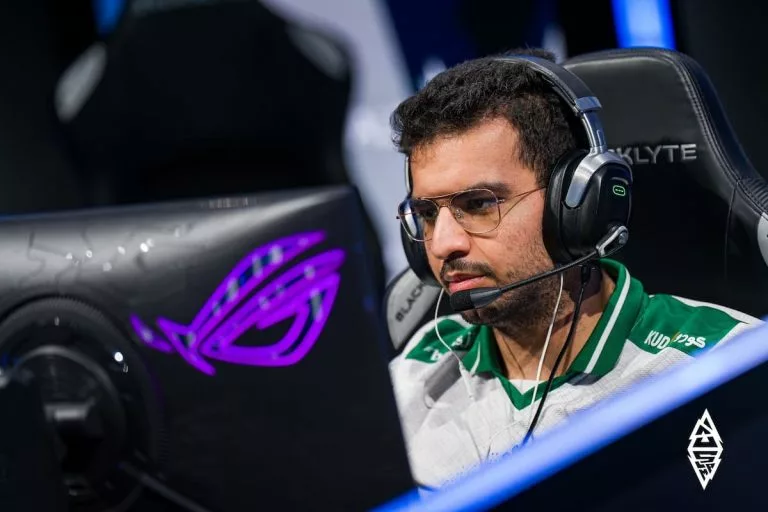
Some teams had less than a day between BLAST Slam and DreamLeague S28. Image Credit: BLAST
What we want to see improved for DL S29
The event is too long
Two intensive weeks is a lot of time for anything. During the two-week span of DreamLeague we had two group stages, a play-in and a playoff. And the majority of these games were best-of-twos, meaning we didn’t see any of the tactical best-of-three or best-of-five gameplay until late in the playoffs. Speaking of which…
Why do we need two group stages?
16 teams is a perfect number for bracket play, and if we’re going to eliminate teams, why not eliminate eight in the group stage and do a full bracket for the playoffs. This format seemed designed to elongate the event but not really decide who the best teams were. In reality, we essentially knew who we’d be seeing in the playoffs and finals by the end of the first stage (although MOUZ’s collapse in group stage 2 was an anomaly)
No, seriously, the event is too long
TI14’s main broadcast in 2025 ran across two weeks, but was only live for eight days total. That’s the biggest event in all of Dota 2. Even the EWC contained itself to 12 straight days. But for DreamLeague S28, it was 14 days of games, constantly. With some teams unable to play day one because of only just finishing up BLAST Slam VI the day before, it felt both rushed and long.
We understand that some of this has to do with purely practical and economic reasons. This edition was broadcast on TV in some regions and, of course, there’s the vital watch hours and ad requirements. But for someone who watched the event from start to finish (something few casual viewers are likely doing), this was a slog.
Overall pros and cons of DreamLeague Season 28
- Great production
- Fantastic talent mix
- Perfect number of teams
- Too long
- Format wasn’t great
We enjoyed this DreamLeague, but could do with about half as much of it.
Read Also: Tundra Esports win DreamLeague Season 28 defeating Aurora in Grand Final
Featured Image Credit: ESL



Related Articles
All Dota 2 News
 Valorant
 Dota 2
 Dota 2
 Dota 2
 Dota 2
 Dota 2
 Dota 2
 Dota 2
 Dota 2
 Dota 2
No comments yet







Leave a Comment
Join our community or access your account to post a comment.