


How the bot lane mages meta makes LoL tournaments volatile



At the 2026 League of Legends Mid-Season Invitational and Esports World Cup, the matches started including more and more mages in the bot lane, replacing marksmen. In turn, these tournaments have produced some of the most action-packed games – more than any event before. So how does the bot lane mages meta make tournaments more volatile?
The bot lane mages meta
Mages didn’t take the place of the ADCs randomly. Bot lane had its series of staple duos and regular picks. Ashe – Seraphine, Ezreal – Karma to answer it, Yunara – Lulu, met with Corki – Nami or Aphelios – Thresh in the LCK. Occasionally, there would be a Ziggs or a Mel, almost always paired with Pyke or the occasional Skarner.
Then, one champion changed everything. During the Spring Split playoffs, teams started picking Camille as a support in League of Legends again.
Enter Camille, turning supports into junglers
The Steel Shadow starts the game with the most powerful ganking tool: an extremely long dash, easily usable as both an engage and an escape, doubling down with a stun. At level 2, she gains potent burst when coupled with Hail of Blades. With a passive granting survivability, Camille can provide deadly ganks even at low levels.
Initially, the strategy with her was to get to level 3, then disappear from bot lane until minute 8. By then, Camille would become a full-time ganker, like a jungler who doesn’t have to worry about camps. At minute 8, catch-up experience picks up and she can visit bot lane again to level up for a bit.
To respond to Camille, teams had to come up with other support picks that were able to match her early roams. The main candidate for that was Shen, although it would be Poppy if she weren’t banned every game. Shen can provide similar pressure, while also being able to defend against Camille’s offense. Alternatively, teams have also tried defending with Leona, or finding a middle ground with Rell.
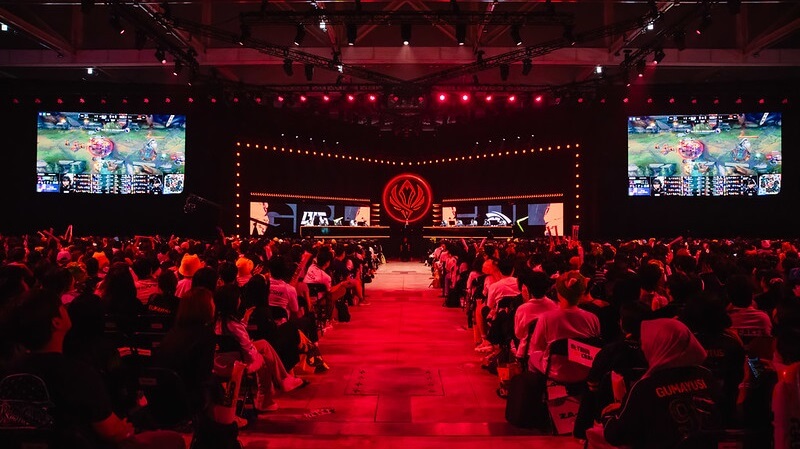
The LoL bot mages meta makes games more volatile. Image credit: Colin Young-Wolff / Riot Games
The 1v1 lane for mages
Roaming supports do not spend much of their time in the bot lane. Instead, they go everywhere else. As a result, bot lane turns into a solo lane, just like mid.
Why do mages play mid lane? Because their power comes from their abilities. Therefore, they need levels to strengthen them, making duo lanes less efficient. That entire downside goes away once bot stops being a duo lane.
Instead, bot mages get to use the ADC quest (extra gold and an extra inventory slot, perfect for both Mejai’s and Deathcap). On top of that, they beat marksmen in 1v1s – with no compromise. Now, the next evolution of this meta is to bring assassins bot to shut down mages. In mid, the short lane makes carries safer from assassins, and a side lane does not grant such luxury.
The hyperaggressive meta
As always, the longer a meta of this type lasts, the more teams take it to the extreme. Soon, the level 3 – minute 8 rule was fully discarded. Instead, those supports became full-time roamers, ganking everywhere and only stopping by the bot lane when it was their gank target.
This turned those games into complete chaos. By the end of the Esports World Cup, teams prioritized Camille and her answers, making the first gamethe one to almost always have these champions.
The game with Camille (or similar supports) is almost always the one with the most kills. Usually, the games that beat these numbers either play a similar bot lane (Pyke with a mage), or are the games that drag on for 45+ minutes – something that would never happen with a “jungling” support.
| Match | Tournament | Kills in the Camille game (or equivalent) | Average kills in the match | Game with the most kills? |
|---|---|---|---|---|
| BLG vs HLE | MSI, grand final | 43 | 38.6 | 1st |
| BLG vs HLE | MSI, upper final | 30 | 27.5 | 2nd |
| HLE vs LYON | MSI, lower final | 42 | 32.6 | 1st |
| HLE vs G2 | MSI, round 2 | 46 | 40.7 | 1st |
| G2 vs T1 | MSI, round 2 | 47 | 44.7 | 2nd |
| HLE vs TSW | MSI, round 1 | 39 | 27.3 | 1st |
| G2 vs TES | MSI, round 1 | 44 | 34.6 | 1st |
| LYON vs FUR | MSI, round 1 | 45 | 40.3 | 2nd |
| TSW vs TES | MSI, round 1 | 35 | 28 | 1st |
| T1 vs FUR | MSI, round 1 | 23 | 29.7 | 2nd |
(Matches were excluded if they had both a game with Camille and one with Pyke.)
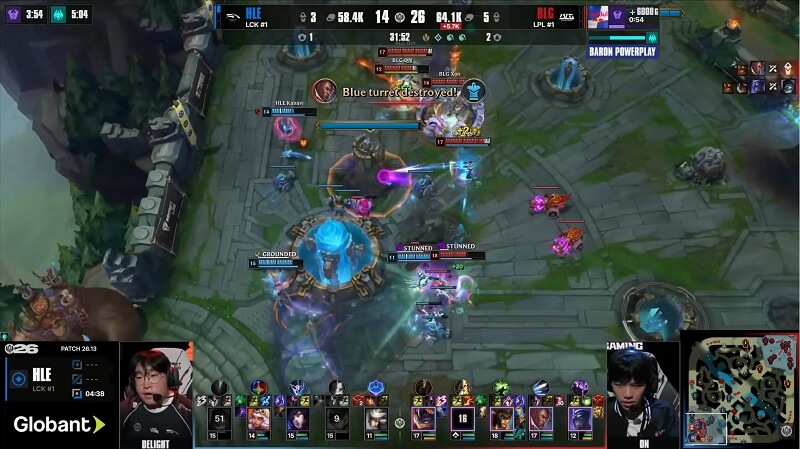
BLG and HLE finish game 2 with 43 kills at the MSI grand final. Image credit: Riot Games
Bot mages make tournaments volatile
When games are all about fighting all the time with no time off, every decision becomes crucial and has to be immediate. Every team makes far more mistakes as a result, allowing for more punishes. On top of that, form on the day starts mattering even more, as those games give no time to recuperate.
This is how we’ve seen teams show a completely different face from one day to the next. There’s always variance in whether players will show up, but the meta makes it matter even more. In turn, this makes predicting winners much harder.
At the 2026 MSI, Hanwha Life Esports were great against G2 Esports, disappointing against Bilibili Gaming, even worse against LYON, to finally perform in the grand final and suddenly overpower BLG. Similarly, G2 put up a great show against T1, before having no drive against LYON. In turn, the LCS representative also played much better against EU than they did against HLE the next day.
Had LYON kept their form from the day before, they would have destroyed HLE, changing the eventual winner of the tournament.
Roaming supports turn Summoner’s Rift into a relentless bloodbath. Today, the meta is still evolving as it searches for its next steps.
Featured image credit: Colin Young-Wolff / Riot Games




Related Articles
All LoL News LoL
LoL LoL
LoL LoL
LoL LoL
LoL LoL
LoL LoL
LoL LoL
LoL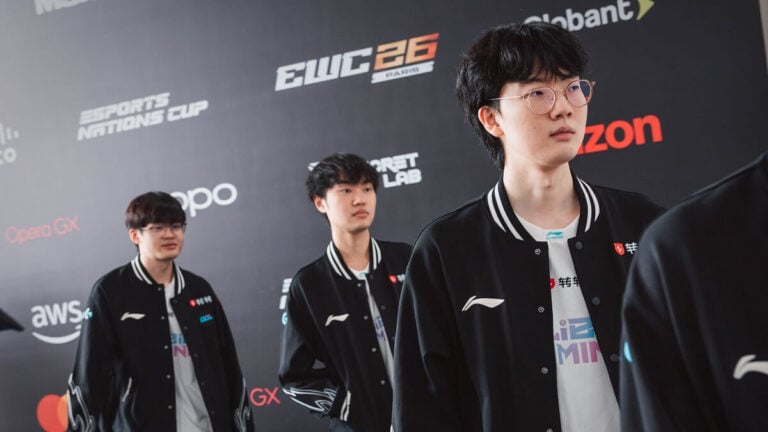 LoL
LoL LoL
LoL LoL
LoLNo comments yet




 ESEA Advanced Season 58 Europe


 Storm 4


 CCT South America 2026 Challengers 2


 VCT 2026: Game Changers North America Stage 2


 ESEA Advanced Season 58 North America






Leave a Comment
Join our community or access your account to post a comment.