


Is Counter-Strike 2 (CS2) dying in 2026?


For over two decades, Valve’s flagship tactical shooter franchise, Counter-Strike, has almost become a legendary name in the world of professional gaming. From CS 1.6 to Global Offensive, Counter-Strike survived through generations of gamers, shifting tastes in competitive gaming, and all kinds of bumps in the road, but in 2026, is it finally losing its grip as the big dog of online gaming?
Following the release of Counter-Strike 2 (CS2) on the Source 2 engine, chatter about the game’s relevance has come back stronger than ever. Persistent technical hiccups, cheating scandals, large gaps between content drops, and major shifts in the esports ecosystem have many fans wondering whether CS2 is losing relevance.
To find an honest answer, we have to break down real player metrics, structural changes, competitive health, and Valve’s long-term plan, and make an informed assessment.
Player counts and retention trends
While doomsayers on social media seem to yell every other day that the days of Counter-Strike are done, the metrics from Steam Charts say something else:
- All-time Peak: CS2 logged a staggering record high of 1,818,368 concurrent players.
- The 2026 Slump: Between February and August 2026, the game suffered consecutive months of declining player averages, dropping from approximately 1.08 million to around 824,000–853,000.
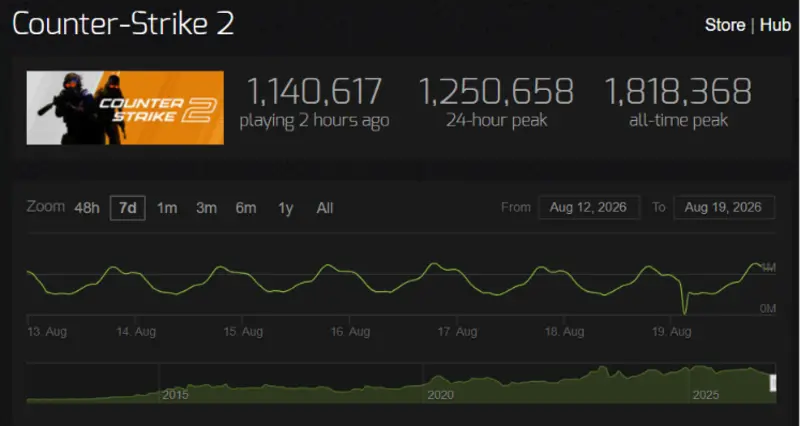
Image credit: Valve
Despite dropping about 230,000 daily average players during this mid-year dip, CS2 consistently secured its place in the #1 or #2 most-played spot on Steam every single day, easily topping peak concurrent counts of 1.2 million.
What do these player counts mean for Counter-Strike 2?
CS2 isn’t in a death spiral, at least not yet. It’s navigating a predictable post-launch correction. When Valve upgraded CS:GO to CS2, an overwhelming flood of casual fans, returning veterans, and skin traders flooded the servers. As initial hype faded and technical issues persisted, a portion of the casual audience moved on.
Calling a title that averages close to a million concurrent players “dead” fundamentally misunderstands gaming industry standards. That said, the factors driving the 2026 player decline still need more serious attention from Valve, because they could eventually serious effects on the game’s future.
Recent closures of esports tournaments
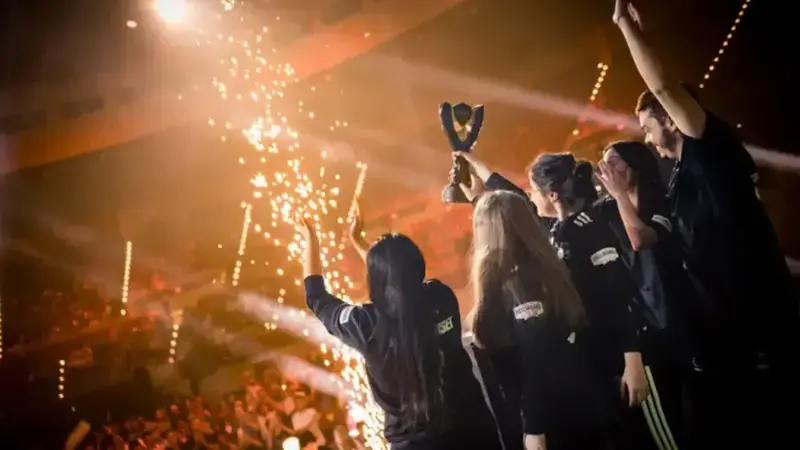
Image credit: ESL
While raw player counts stay exceptionally high, structural changes in the esports ecosystem and recent closures in certain tournaments have raised some concerns about inclusion and long-term ecosystem stability in Counter-Strike 2.
CS2 has plenty of tournaments, which also enable opportunities for esports betting.
The heaviest hit arrived when ESL Gaming officially suspended the ESL Impact circuit. Launched back in March 2022, ESL Impact operated as the baseline competitive platform for women in Counter-Strike, offering structured leagues, dedicated prize pools, and global LAN finals.
- March 2022 (launch): ESL launches a dedicated multi-region circuit alongside standalone LANs to build real opportunities for marginalized genders in CS.
- Early 2024 (consolidation): ESL cuts back global pathways, removing direct LAN routes for Oceania and Asia as economic pressure mounts.
- October 2025 (official suspension): ESL confirms ESL Impact will be suspended after Season 8, pointing to an unsustainable business model.
- 2026 (ecosystem void): Top women’s teams are left with no choice but to re-enter open regional circuits or migrate to alternative titles.
Why does this matter for CS2’s health?
ESL noted that while Impact successfully elevated women’s CS, the current economic model was simply not sustainable. This exit shows two severe structural challenges:
- Esports winter and ecosystem consolidation: Organizers are slashing secondary leagues to safeguard core tier-1 properties.
- Competitive migration: Rival titles like Riot Games’ VALORANT continue heavily funding parallel scenes like VCT Game Changers. Losing ESL Impact leaves CS2 highly susceptible to talent drain in key demographics where competitors are actively thriving.
While tier-1 men’s tournaments (Valve Majors, BLAST Premier, ESL Pro League) keep shattering viewership records and filling arenas, losing grassroots and specialized circuits damages the broader foundation supporting the game.
Reasons behind community frustration of Counter-Strike 2
If hundreds of thousands of players are still logging in daily, why is online sentiment so persistently negative? The community’s frustration comes from three main issues:
A. The “Sub-Tick” Paradox and Netcode
Valve swapped out traditional 64/128-tick servers for a proprietary sub-tick framework, promising tick-rate-independent shooting and movement.
Even with ongoing patches, complaints about inconsistent hit registration, dying behind walls, and erratic peekers’ advantage can still be found on the community forums.
B. Anti-Cheat and Premier Rating Integrity
Cheating remains the single biggest threat to CS2’s competitive legitimacy. High-rank Premier lobbies are constantly plagued by spinbots, wallhacks, and external radar tools.
Valve’s machine-learning solution (VACnet) introduced automatic match cancellations, but many players still flee to third-party services like FACEIT just to play clean matches.
C. Missing Legacy Content
CS2 replaced CS:GO without complete feature parity. Gamers lost years of custom content, favorite game modes like Danger Zone, expanded Arms Race maps, and deep community server support.
While updates are slowly restoring maps and modes, community favorites like surf and zombie escape servers still lag behind.
Why CS2 will not die?
Despite ongoing criticism, declaring CS2 “dead” completely ignores the core structural mechanics that make Counter-Strike uniquely resilient:
- In-game economy: CS2’s virtual weapon skin market represents a multi-billion-dollar economy, locking in long-term player retention via substantial financial investments.
- Pure mechanical FPS design: Unlike hero shooters (VALORANT, Overwatch 2) or battle royales (Apex Legends), CS2 centers strictly on pure gunplay, utility usage, and economy management, avoiding character meta-creep entirely.
- Source 2 infrastructure: The engine transition was a long-term investment, providing Valve with a modernized foundation to build upon for the next decade.
What Valve must do to secure the future?
Image credit: Valve
CS2 isn’t anywhere close to dying, but maintaining absolute dominance requires active, direct intervention from Valve. To shift the narrative back in a positive direction, Valve needs to focus on three core areas:
- Kernel-level Anti-Cheat: Server-side behavioral detection alone can’t stop modern hardware (DMA) cheats. Valve must deploy far stronger detection tools to protect Premier mode.
- Full community workshop integration: Restoring legacy mapping capabilities, custom game mode support, and full server browser features will bring back casual community energy.
- Esports pipeline reinvestment: With ESL Impact gone, Valve and tournament organizers must step in to build sustainable tier-2 and grassroots pipelines for third-party operators.
Is Counter-Strike 2 dying in 2026?
No, Counter-Strike 2 is definitely not dying.
The statistical pullback recorded throughout 2026 simply reflects expected stabilization after an explosive launch period.
Pulling in an average of over 800,000 concurrent players and topping daily peaks past 1.2 million, CS2 remains one of the most played and profitable titles in gaming history. The game is so popular, there are separate prop categories on esports prediction markets just for CS2.
However, the game is clearly navigating growing pains. Cutbacks in specialized esports circuits like ESL Impact, paired with frustration over sub-tick networking and cheating, highlight urgent areas for improvement. Counter-Strike isn’t going anywhere, but its future trajectory relies on how aggressively Valve tackles these technical and structural hurdles.
Featured image credit: Valve





Related Articles
All CS2 News
 CS2
CS2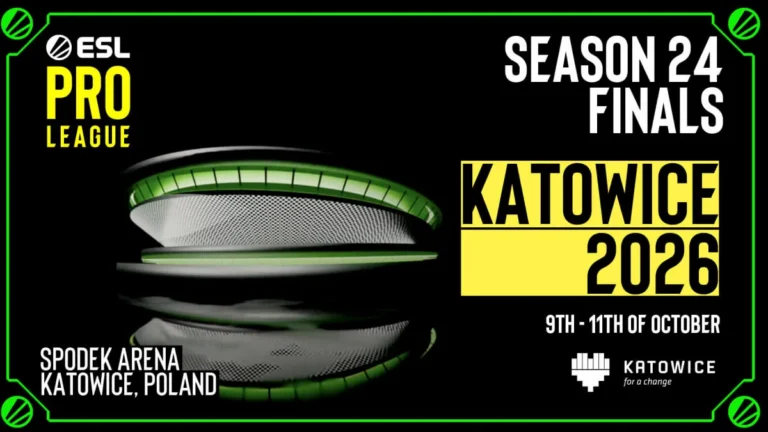 CS2
CS2 CS2
CS2 CS2
CS2 CS2
CS2 CS2
CS2 CS2
CS2 CS2
CS2
No comments yet






 3v3 League. EA FC25 (2x3 min)


 Italy. Seria A. EA FC 25. (2x4 min)


 World Cup. EA FC 25. (2x4 min)


 Germany. Bundesliga. EA FC 25. (2x4 min)


 Copa Libertadores. EA FC 25. (2x4 min)



Leave a Comment
Join our community or access your account to post a comment.